Pune, June 8–13, 2026
"Do not cast me away when I am old; do not forsake me when my strength is gone." (Psalm 71:9)
The Conference of Religious Women India (CRWI), in collaboration with the School of Psychological Sciences, CHRIST (Deemed to be University), Bangalore, successfully conducted the six-day GRACE (Geriatric Care and Empowerment) Programme from 8 to 13 June 2026 at Carmel Heights, Pune. The initiative was designed to strengthen the capacity of religious sisters in providing holistic, compassionate, and informed care to the elderly in their communities and ministries.
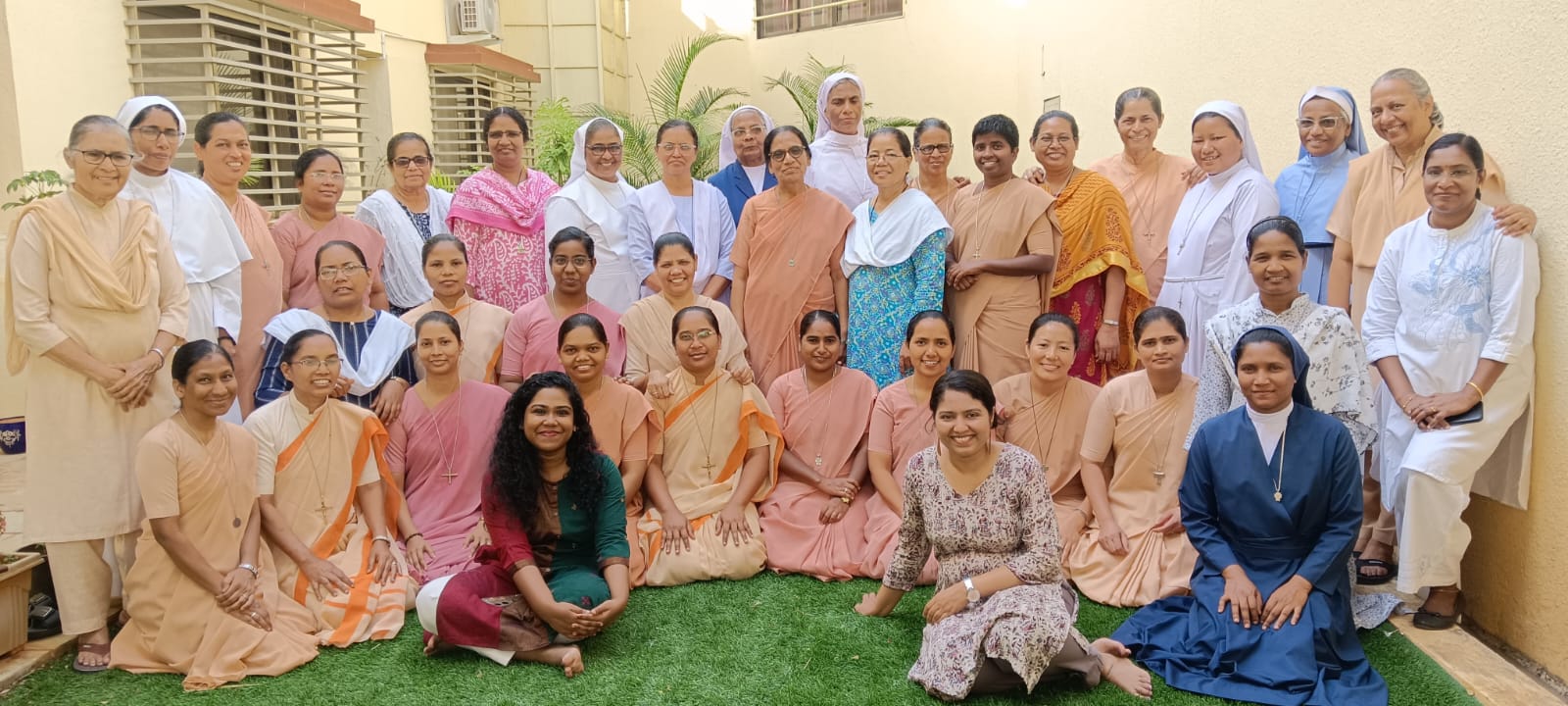
The programme was coordinated by Ms. Asha Albert, MIS Coordinator, CRWI, and was supported by a dedicated team of resource persons and facilitators. A total of 33 sisters representing 16 congregations from 12 regions across India participated in the programme, creating a rich environment for learning, sharing experiences, and mutual enrichment.
The academic sessions were facilitated by an eminent team of experts including Dr. Joice Steffi V., Dr. Veenashree, and Dr. Patrick Jude L. from CHRIST (Deemed to be University). The final day focused on safeguarding and protection concerns related to older adults and was led by the CRWI GRC Team, including Sr. Helen and Sr. Rushila, who brought valuable practical insights and experience to the discussions.
Throughout the six days, participants engaged in a comprehensive exploration of ageing and elder care from a biopsychosocial and pastoral perspective. Sessions examined the physical, psychological, social, and spiritual dimensions of ageing, helping participants develop a deeper understanding of the challenges and opportunities associated with later life. The programme highlighted key themes such as successful ageing, emotional wellbeing, generativity, integrity, social connectedness, and the importance of preserving dignity and purpose in old age.
A significant component of the programme focused on practical caregiving skills. Participants were introduced to validated assessment tools that help identify concerns related to depression, loneliness, frailty, nutritional risk, social support, and functional abilities among older adults. Through case studies, role plays, group discussions, and experiential learning activities, the sisters learned how to assess needs effectively and respond with empathy and competence.
The programme also addressed important areas such as caregiver wellbeing, counselling skills, grief and loss, cognitive retraining, expressive interventions, and safeguarding. Interactive exercises enabled participants to reflect on the realities faced by older adults while also examining their own attitudes toward ageing and care. These sessions encouraged a holistic and person-centred approach to ministry with the elderly.
Particularly significant was the sixth day, which focused on safeguarding concerns affecting older persons. Participants explored issues related to abuse, neglect, legal protections, and institutional responsibilities, including awareness of POSH and POCSO frameworks and their relevance within caregiving environments. These discussions reinforced the need to create safe, respectful, and supportive spaces for vulnerable older adults.
The active participation of the sisters throughout the programme contributed greatly to its success. Their engagement in discussions, reflections, practical exercises, and collaborative learning reflected a deep commitment to strengthening their ministry among the elderly. The programme concluded with a spirit of gratitude, renewed dedication, and a shared commitment to promoting the dignity, wellbeing, and protection of older persons.
Participants expressed heartfelt appreciation for the initiative and requested additional follow-up programmes and extended counselling practice sessions, noting that the practical and experiential components were especially meaningful and beneficial for their ministry.
As India's elderly population continues to grow, programmes such as GRACE underscore CRWI's commitment to equipping religious women with the knowledge, skills, and pastoral sensitivity necessary to respond effectively to the evolving needs of older adults. The programme stands as a significant step towards building communities where ageing is embraced with dignity, compassion, and hope.